Challenges
Coordinating large swarms of drones in tactical operations, especially in dynamic and interference-prone environments, presents significant challenges. Traditional manual control approaches struggle to keep up with the complexities of real-time mission coordination, particularly when radio interference or GPS signal loss occurs, as seen in modern conflict zones like Ukraine. Additionally, ensuring that multiple unmanned aerial systems (UAS) can operate in sync and provide accurate reconnaissance data under such conditions is difficult, limiting the effectiveness of large-scale drone swarms in critical missions.
Our Solution
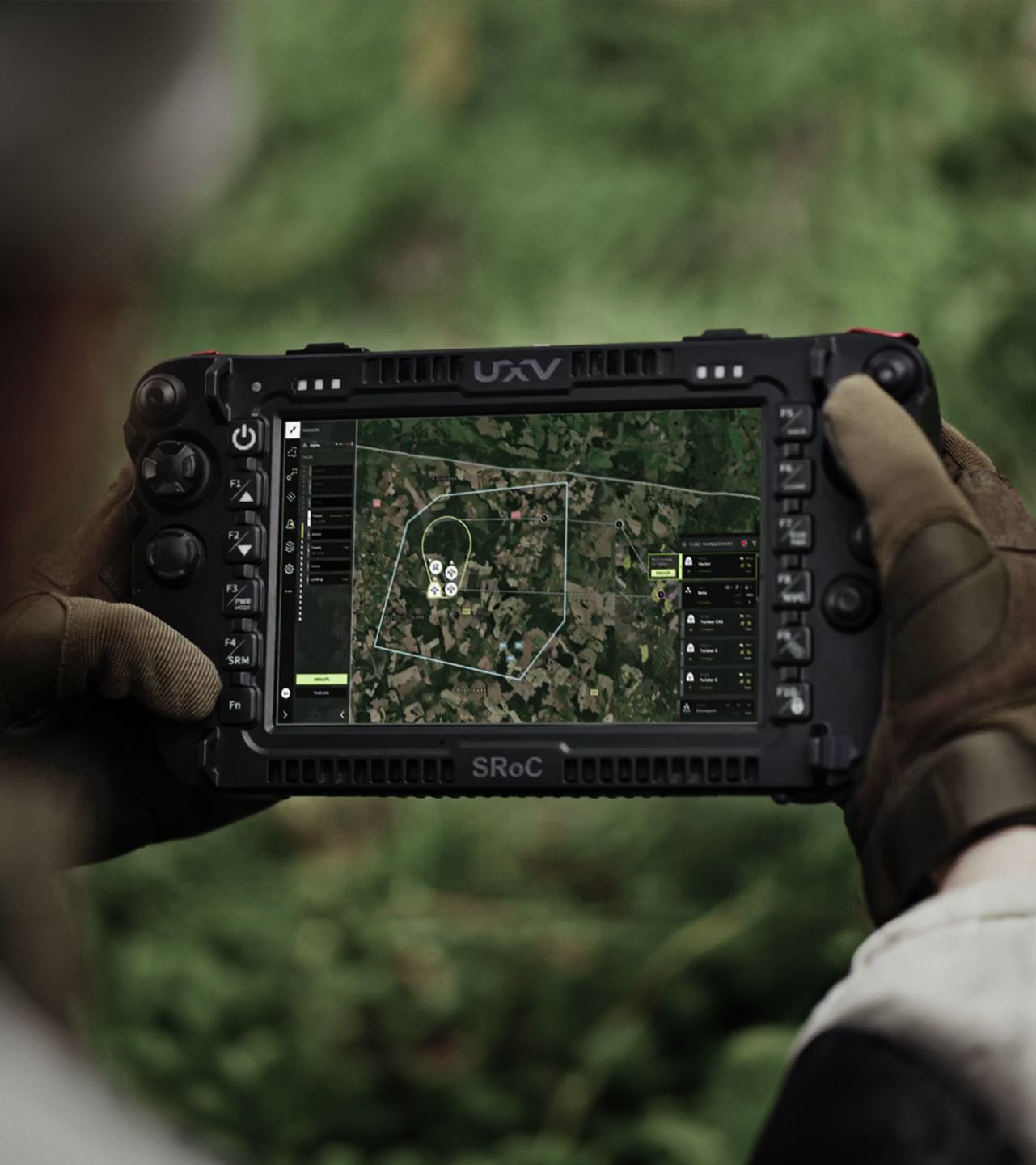
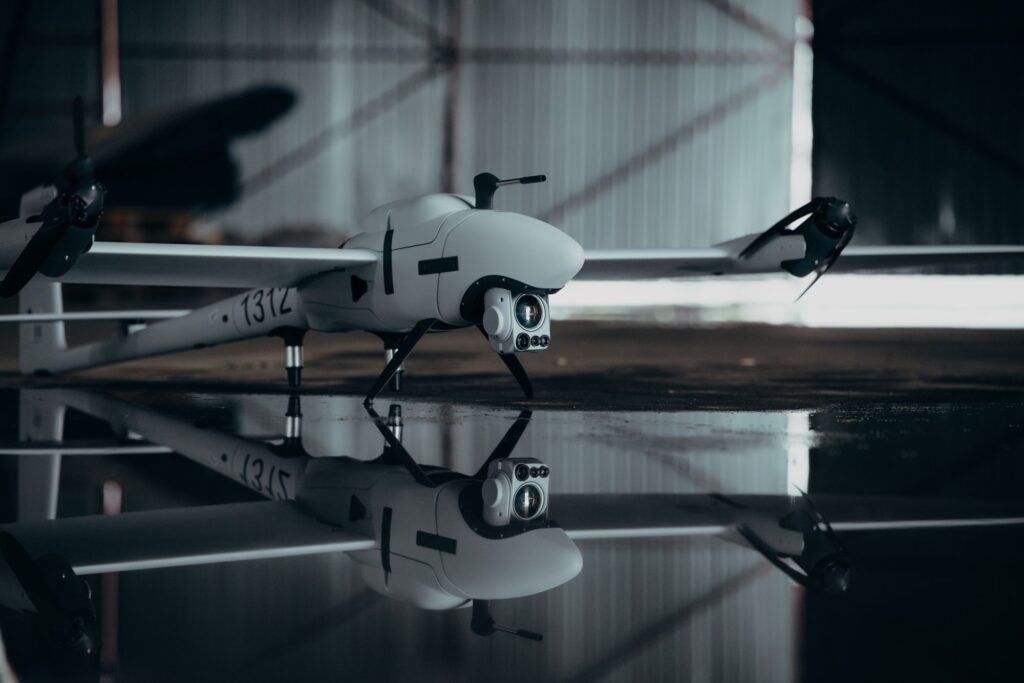
The Vector drone offers a solution by leveraging AI-powered autonomous swarming technology. As demonstrated in the Bundeswehr’s KITU 2 project, Vector drones can take off, fly, and land in coordinated swarms, even in GPS-denied conditions. Equipped with advanced object detection and robust tracking, the Vector autonomously completes tasks such as joint reconnaissance and target acquisition, while sharing real-time data across the swarm to ensure mission success. This AI-driven coordination minimizes the need for human oversight, making tactical decision-making faster and more efficient. The breakthrough enables operators to manage large swarms of drones with minimal intervention, significantly enhancing both resilience and reliability in military or search-and-rescue missions.
MORE USE CASES

Operator Insights – Vector in Ukraine
Learn how Vector has been forged on the frontlines in Ukraine and become an essential tool.
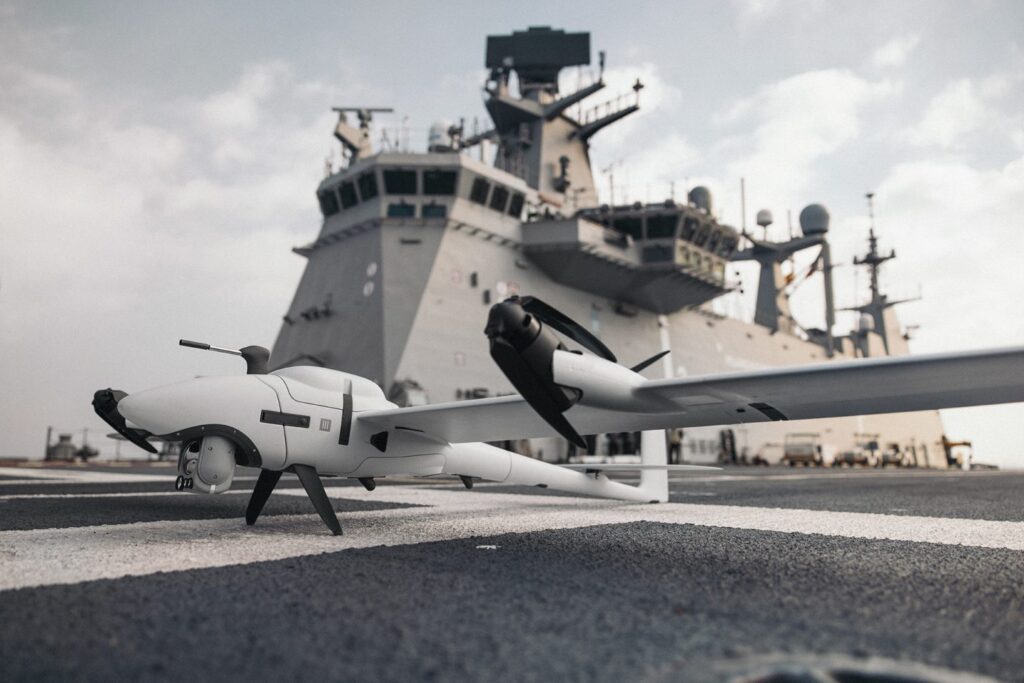
Maritime Capabilities
Discover how Vector addresses the unique challenges of naval operations.

Target Identification Optimization
Learn how the Vector revolutionizes target identification and battlefield coordination in Ukraine.